
Grow & Tell: Design a Garden that Engages All Five Senses
A sensory garden is designed to awaken the senses—sight, smell, sound, touch, and taste—creating a space that invites people to slow down, explore, and connect with nature in a deeper way. Whether it’s a peaceful retreat, a playful learning environment, or an accessible garden for people of all ages and abilities, a sensory garden brings the outdoors to life in meaningful ways.
Start with Intention
Before selecting plants, take a moment to consider what you want your sensory garden to feel like.
Do you want it to be calming or energizing? Quiet and reflective, or interactive and playful?
A successful sensory garden—large or small—feels intentional, not crowded. Thoughtful planning around accessibility, varied textures, and ease of movement helps create a space that is welcoming and comfortable for everyone.
Small or Large – Indoors or Outdoors
You don’t need a large yard to create a sensory garden. A container arrangement, a patio corner, or a few raised planters can offer a rich sensory experience when designed with care.
The best sensory gardens aren’t defined by size—they’re defined by how they invite curiosity, exploration, and connection.
Choose Plants That Engage the Senses
A well-designed sensory garden blends plants and features that stimulate each of the five senses:
- Sight Use a mix of colors, shapes, and heights. Combine upright plants with trailing vines and layered textures to create visual interest throughout the space.
- Touch Incorporate plants with a range of textures—soft, fuzzy, smooth, or rough. Try lamb’s ear, moss, bark, seedpods, or feathery foliage to encourage hands-on interaction.
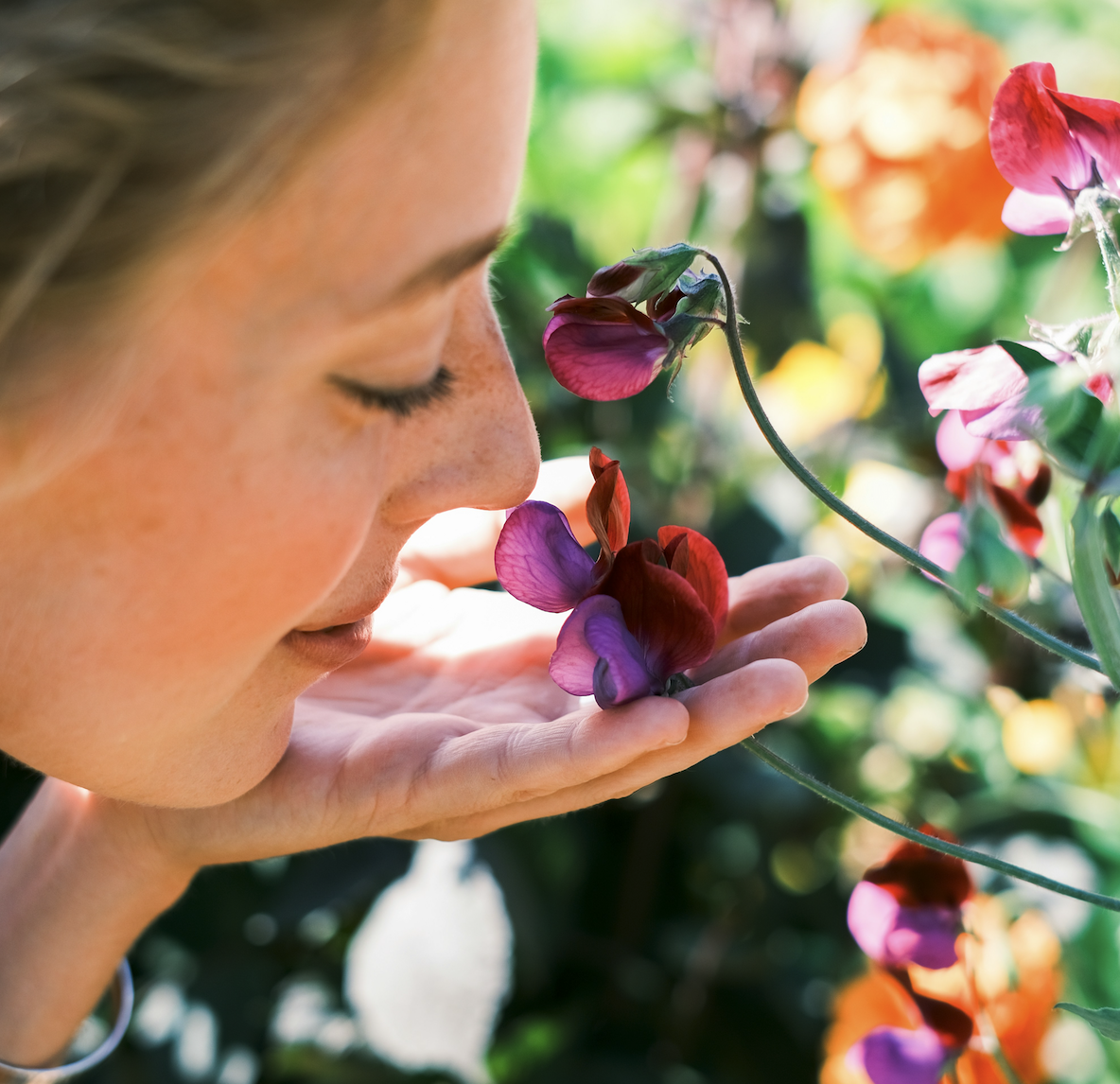
- Smell Fragrant plants add an immediate sensory connection. Herbs like mint, lavender, and rosemary—or sweetly scented flowers—bring the garden to life.
- Taste Include edible elements where appropriate, such as herbs, berries, vegetables, or edible flowers. This adds another layer of engagement, especially for children.
- Sound Create gentle, natural soundscapes with ornamental grasses, rustling leaves, bamboo, bird activity, or even a small water feature.
Create Comfort and Balance
For many visitors—especially children or individuals with sensory sensitivities—balance is key. A mix of active and calm zones helps the garden feel inviting rather than overwhelming.
In smaller spaces, focus on a few sensory elements per container or area rather than trying to include everything at once. This allows flexibility to adjust the experience over time.
Experience a Sensory Garden at the Botanical Garden
Looking for inspiration? Visit the Sensory Garden space in the Gardeners Show House at the Greater Des Moines Botanical Garden.
This thoughtfully designed area offers a quiet, contemplative setting with:
- Comfortable seating
- A variety of plants and textures
- Opportunities for gentle, tactile interaction
You’ll find the entrance within the Garden Gateway, just south of the mural.
Sensory Backpacks for Visitors
To make the Botanical Garden more accessible for all, sensory backpacks are available for free checkout at the front desk. These kits are designed to support visitors with sensory sensitivities, helping create a more comfortable and enjoyable experience.
Bring the Experience Home
Creating a sensory garden isn’t about perfection—it’s about intention. With a thoughtful mix of plants, textures, and elements, you can design a space that invites curiosity, calm, and connection every time you step into it.
Watch this Grow & Tell How-To Video for quick tips and inspiration to create your own sensory garden.