Meet the Greater Des Moines Botanical Garden’s New Koi
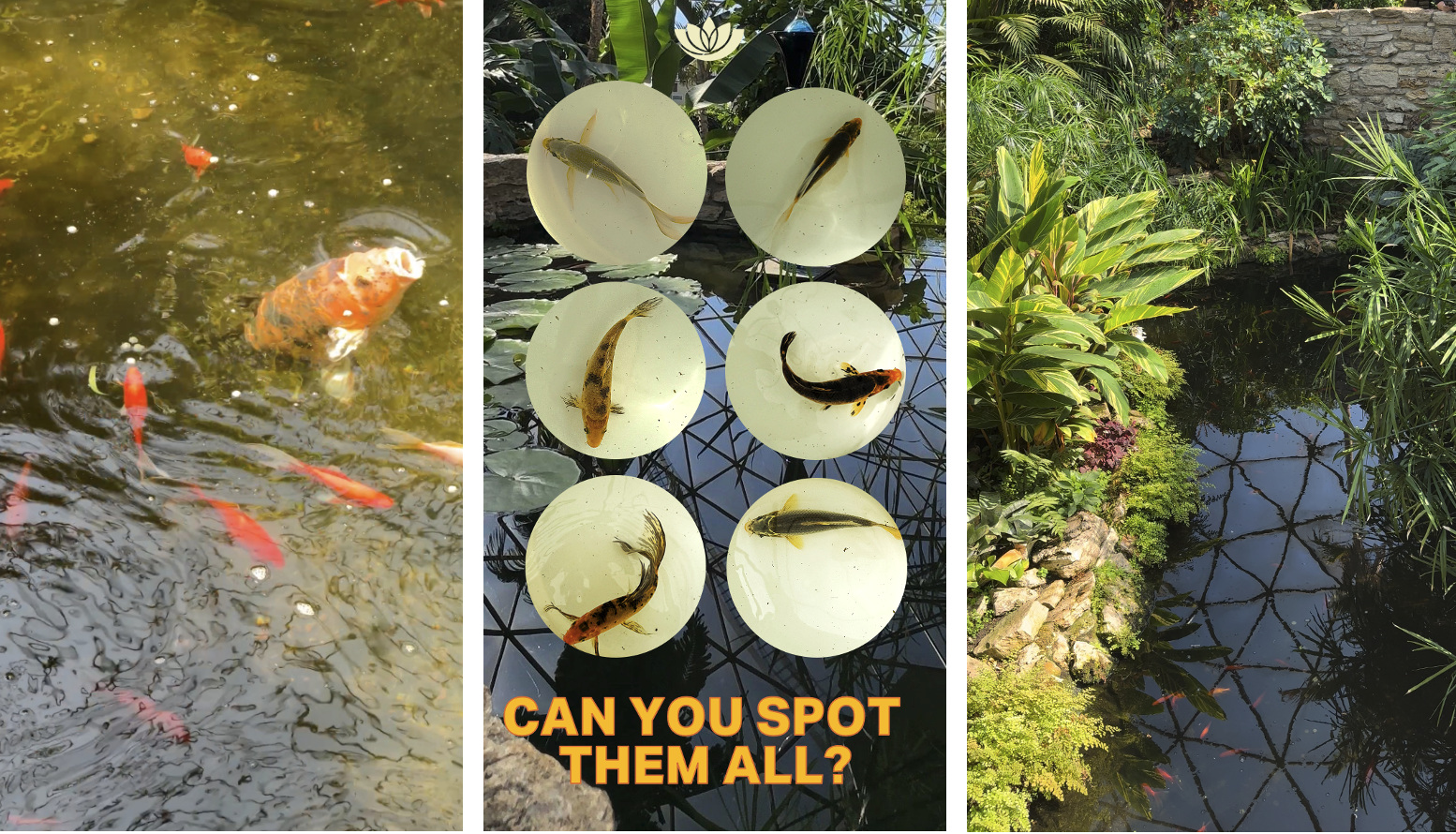
There are some new faces—or perhaps we should say fins—at the Greater Des Moines Botanical Garden.
Six young koi have joined our collection, and after a careful introduction period, they’ll make their home alongside some of the Garden’s longtime aquatic residents. There’s just one thing missing: names!
Before you help us choose their names, get to know our newest arrivals, and four familiar fish that have called the Botanical Garden home for more than a decade.
What’s the Story with Koi?
Koi are colorful varieties of carp bred for ornamental purposes. Their history stretches back centuries, with the development of the ornamental varieties we recognize today closely associated with Japan.
Known for their brilliant colors and graceful movement, koi are also rich with symbolism and are often associated with good fortune, prosperity, strength, and perseverance.
At the Botanical Garden, our koi add another layer of life to the tropical experience inside the conservatory. Take a moment to watch them on your next visit. You may discover they seem just as curious about you.
Meet Our Longtime Residents
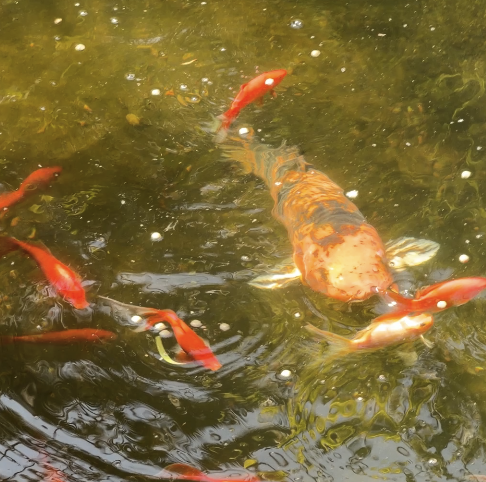
Four koi have called the Botanical Garden home for more than 10 years and live indoors year-round.
We don’t have an institutional record of exactly when they arrived or their individual varieties, but we know they were already here when the organization became the Greater Des Moines Botanical Garden nonprofit in 2013.
Today, these four live in the lower pool, and naturally, they’ve picked up a few nicknames:
- The Duke of Coy is our largest koi at approximately 26 inches.
- Big Ed
- Lil Debbi
- Nacho is the smallest of the group at approximately 20 inches.
The other fish you’ll spot in the pools include Shubunkin, sometimes called harlequin goldfish, along with black and orange goldfish. While we haven’t had koi offspring, our goldfish and Shubunkin populations have certainly been growing!
Six Young Koi Join the Garden
Our six newest koi came to us from Botanical Garden volunteer Jill Pickett and her husband, Terry, who have kept koi in their backyard pond for several years.
Their koi spawned in 2024 and 2025, and we believe our new arrivals are offspring from those two years. The six range from approximately 3 to 6 inches long and display a variety of colors and patterns.
Eventually, they’ll join the conservatory’s three-tiered water feature. But first, they’re spending some time apart from our longtime residents.
Why Do New Koi Need to Quarantine?
Introducing new fish to an established collection requires a little extra care.
The six young koi will spend a minimum of 40 days in a separate pond while our team watches closely for any signs of parasites or disease. The quarantine period also gives the fish time to recover from the stress of moving, which can temporarily make them more susceptible to illness.
Keeping the newcomers separate protects both groups and gives our team an opportunity to make sure everyone is healthy before introductions begin.
If the new koi remain healthy throughout the quarantine period, they’ll be ready to move into the main pool. If a health concern appears, the quarantine timeline will begin again.
It’s an important behind-the-scenes step in caring for the living collection—even when that collection has fins instead of leaves.
Come Meet Them—and Help Us Name Them!
Now comes the fun part.
Stop by the Botanical Garden to meet our newest residents, then follow us on Facebook for your chance to help name all six.
We’ll share the contenders, and you can cast your vote using the reaction buttons on each post.
Which names will make the cut? Follow along to find out—and keep an eye on the pools during future visits as these little koi grow into some very big personalities.