
Grow & Tell: How to Plant an Amaryllis Bulb
Easy Amaryllis Care Tips for Stunning Indoor Blooms
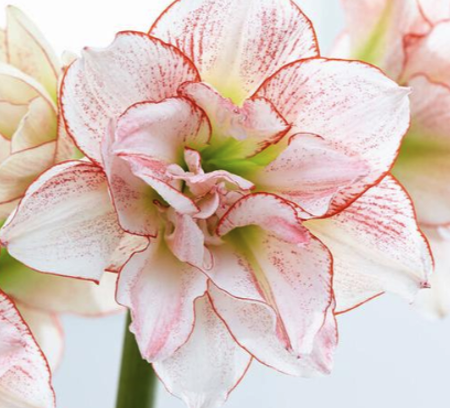
Planting an amaryllis bulb is simple—and incredibly rewarding. This popular indoor winter flower brings bold color and life to your home when you need it most. With the right container, good drainage, and a bit of patience, your amaryllis can reward you with dramatic blooms in just a few weeks.
To get started, choose a snug pot with drainage holes and fill it with well-draining potting mix. Position the bulb so the top third to half remains above the soil, which helps prevent rot and supports healthy growth. With warmth, bright light, and careful watering, an amaryllis typically sends up a flowering stalk within 6–10 weeks.
Choosing the Right Amaryllis Bulb and Container
- When learning how to plant an amaryllis, selecting a healthy bulb is key. Look for a large, firm bulb with no mold, soft spots, or shriveling. Larger bulbs often produce more flower stalks and fuller blooms.
- Choose a container that is only 1–2 inches wider than the bulb and at least twice as tall, with drainage holes to prevent soggy roots. A pot measuring 5–6 inches wide and 7–8 inches deep is ideal for one standard amaryllis bulb.
Preparing Soil and Bulb for Planting
- Use a high-quality, well-draining potting mix designed for container plants. Avoid garden soil, which can compact and retain too much moisture. For extra drainage, mix in perlite or a similar amendment to help protect the roots from rot.
- Before planting, gently remove dead, papery roots. If desired, soak the healthy roots in lukewarm water for a few hours to rehydrate them and encourage faster growth—just be sure to keep the bulb itself dry.
How to Plant an Amaryllis Bulb
- Fill the pot half to two-thirds full with potting mix and create a shallow well for the roots. Set the bulb root-side down, spreading the roots naturally into the soil.
- Add more potting mix around the bulb, pressing gently so it stands upright. Leave the top portion of the bulb exposed. Water once to settle the soil, then discard any excess water from the saucer.
Amaryllis Light, Water, and Temperature Needs
- Place the pot in bright light, ideally near a sunny window that provides several hours of direct sun each day. Adequate light is essential for strong stems and long-lasting blooms. Rotate the pot regularly so the flower stalk grows straight.
- Water sparingly until a green shoot appears. After growth begins, water when the top inch of soil feels dry. Keep the soil lightly moist but never waterlogged. A temperature range of 68–75°F supports healthy sprouting and flower development.
After the Amaryllis Blooms
- Once the flowers fade, cut off the spent flower stalk close to the top of the bulb, but leave the leaves intact. The leaves continue feeding the bulb and are essential for future blooms.
- Continue watering and apply a balanced, water-soluble fertilizer about once a month during active growth. In warmer months, you can move the potted amaryllis outdoors to a sunny spot. Later, allow the bulb to dry and rest for several weeks before restarting the bloom cycle—this rest period helps ensure another spectacular display.
Watch this short video for a step-by-step visual guide to planting and caring for an amaryllis bulb.