
Fall’s the time to get spring-blooming bulbs in the ground. Here are tips for how to plant bulbs and what bulbs to choose for Midwest gardens.
When & Were to Plant Bulbs
Rosie Lerner, a former extension consumer horticulture specialist at Purdue University, shares tips for bulb planting.
Plant spring bulbs in the fall before the ground freezes—ideally, when soil temps are between 40 and 50 degrees. “This gives them a chance to get roots established before going into winter,” Rosie says.
Find a sunny spot. Generally, bulbs do best in full sun and well-drained soil.

How to Plant Bulbs
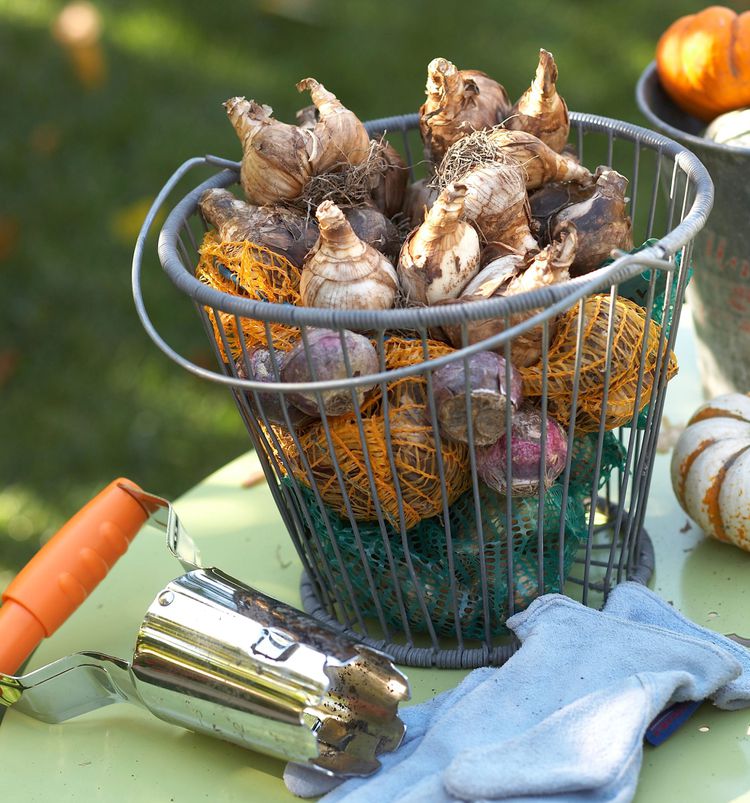
Plant bulbs in groups for a loose, natural-looking display. “I like to plant lots of a particular variety for a massing effect,” Rosie says. Place five or six bulbs in each hole, making sure the hole’s depth is two to three times the bulb’s height. The pointy end should face up.
Protect bulbs from critters with a layer of gravel or mulch or a sheet of wire mesh over holes. You can remove the wire mesh when bulbs begin sprouting.
Plant with other perennials, such as hydrangeas, peonies or daylilies, that will help hide the bulbs’ foliage after blooms fade. “For them to make a good comeback, they need their foliage to live as long as possible,” Rosie says. Don’t cut back foliage until it’s yellowed.

Top Bulb Pick: Snowdrops
These sweet late winter/early-spring bloomers look like little drops of snow. “They typically bloom in late February or early March in Indiana,” Rosie says. Sometimes they show up when snow is still on the ground. They naturalize well (spread and come back year after year) without taking over, Rosie says.

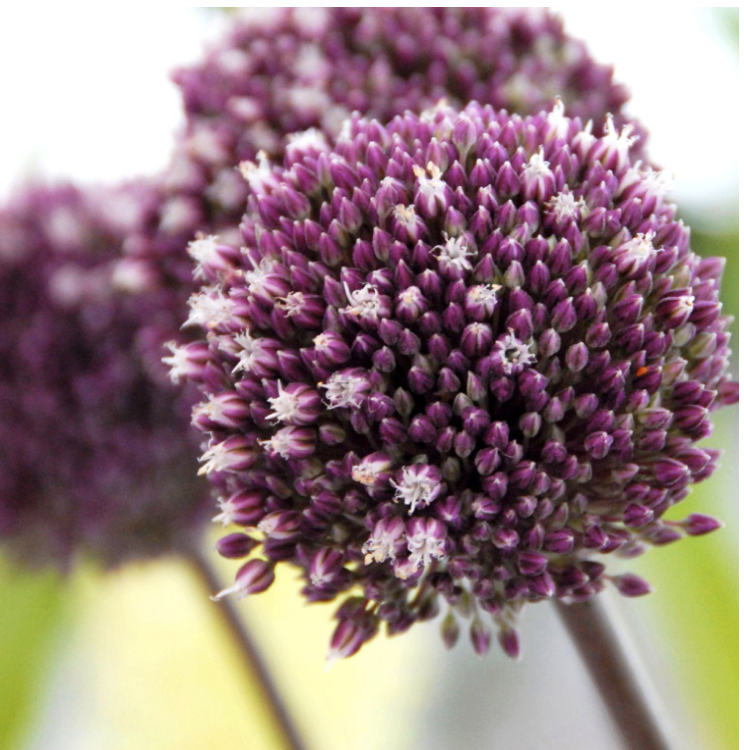
Top Bulb Pick: Alliums
These globe-shape purple, yellow or white flowers add fun texture to gardens. They bloom in late spring, and most cultivars are well-behaved and won’t pop up in places you didn’t put them, Rosie says.

Top Bulb Pick: Daffodils
Bulbs don’t get much easier than daffodils, Rosie says. These cheerful yellow or white blooms are the clear winner for a beginner. “They are reliable and relatively trouble-free,” she says. To prolong bloom season, stagger the early- and mid-season bloomers. ‘Dutch Master’ and ‘Carlton’ are a couple of classic yellow cultivars that do well in the Midwest.