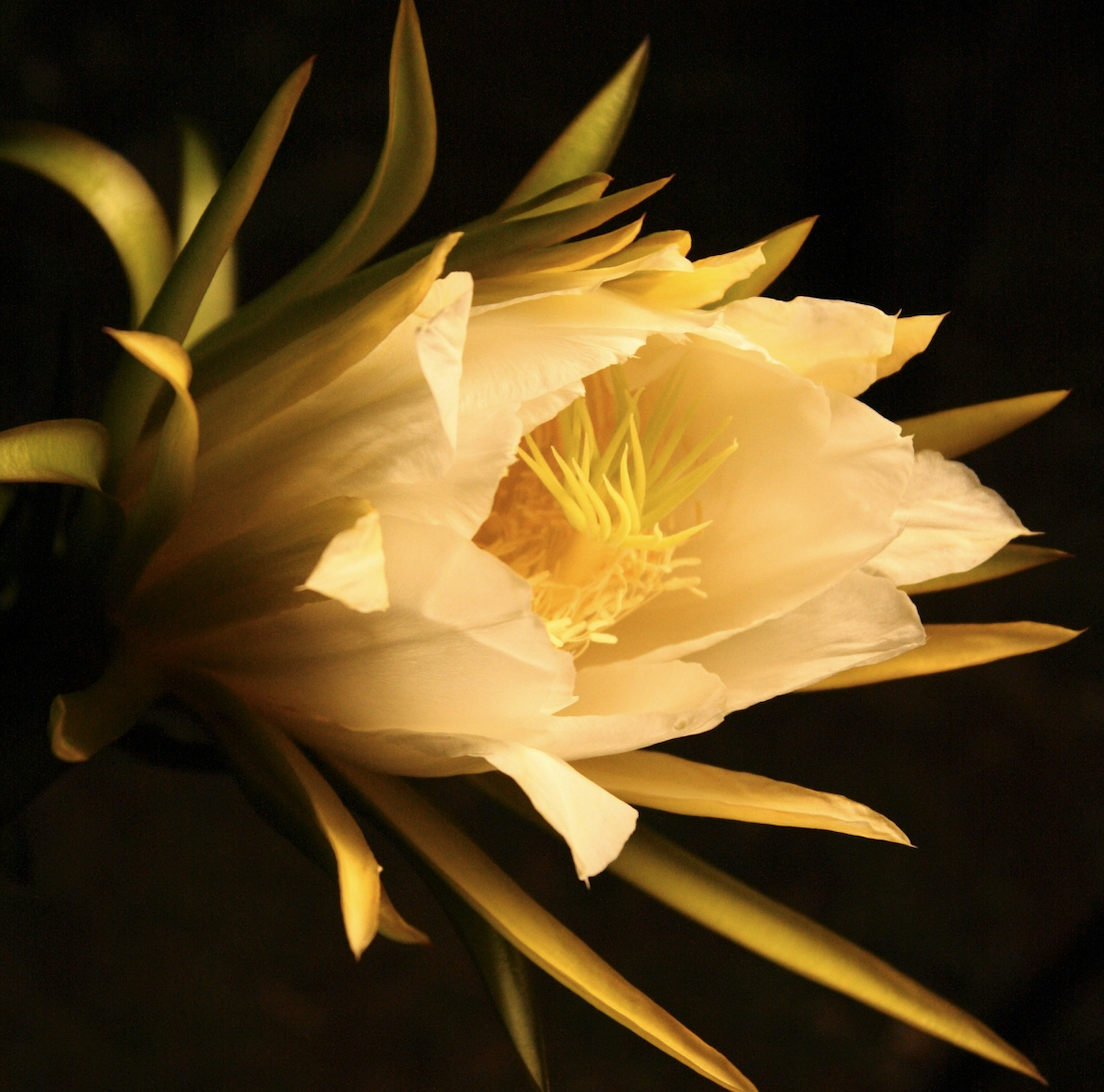
The Magic of a Night Blooming Cactus
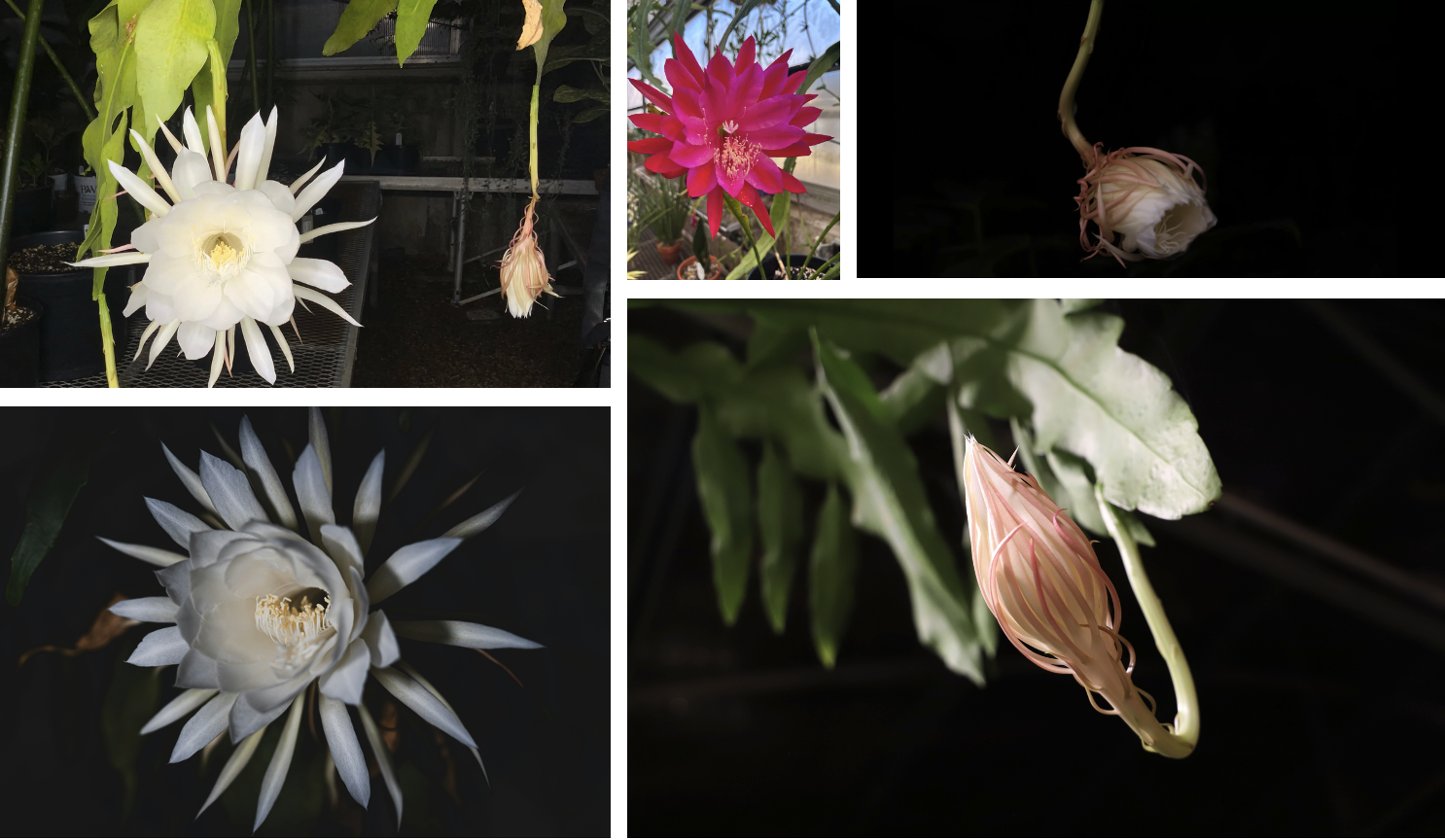
Imagine waiting months, or even years, for a flower that opens for just one extraordinary night.
That’s part of the magic of Queen of the Night. While most flowers put on their show during daylight hours, these remarkable night bloomers wait until darkness falls to reveal large, luminous flowers, often accompanied by an unforgettable fragrance.
And if you’re lucky enough to catch one in bloom, you’ll understand why people stay up late just to see it happen.
Want to see the magic for yourself? Watch our After Hours video to see a Queen of the Night bloom unfold. Watch the video.
Why is Queen of the Night So Special?
For some plants known as Queen of the Night, flowering can be both infrequent and remarkably brief. Individual flowers may open after sunset, reach their peak during the night, and begin fading by morning.
That fleeting display turns flowering into an event. Gardeners may watch developing buds for days, waiting for signs that tonight could finally be the night.
There’s More Than One Queen
Here’s where things get interesting: Queen of the Night isn’t the name of just one plant.
The common name is used for several night-blooming species. One is Epiphyllum oxypetalum, a tropical cactus commonly grown in containers and as a houseplant (shown above). Another is Peniocereus greggii, often called the Arizona Queen of the Night, a cactus native to desert regions of the southwestern United State and Mexico.
Because common names can refer to different plants, checking the botanical name is the best way to know exactly which Queen you’re growing.
A Flower Made for the Night
Why bloom when most of us are asleep?
Night-blooming plants have evolved to take advantage of pollinators that are active after dark. Large, pale-colored flowers are easier for nocturnal visitors to locate, and strong fragrance can help guide pollinators to the bloom.
Moths are important pollinators for many night-blooming plants, turning what looks like a beautiful nighttime spectacle to us into an important ecological relationship.
Growing Queen of the Night at Home
If you’re growing Epiphyllum oxypetalum, patience is part of the experience.
As a tropical epiphytic cactus, it prefers conditions quite different from those of a desert cactus. Give it bright, indirect light, a well-draining growing medium, and a container with good drainage. Avoid letting the roots remain constantly wet.
Mature plants are more likely to flower, and some may take several years to reach blooming size. That’s what makes spotting the first developing bud so exciting.
Soon, the waiting begins.
Why We Love It
Perhaps the most enchanting thing about Queen of the Night isn’t simply the flower. It’s the anticipation.
A bud develops. Word gets around. People begin checking and waiting. And when the flower finally opens, strangers can suddenly become fellow spectators.
By morning, the moment has passed.
But for one unforgettable night, everyone gets to share in a little botanical magic.
Watch The Bloom Unfold
Experience the fleeting beauty of Queen of the Night in our After Hours video. Watch the video