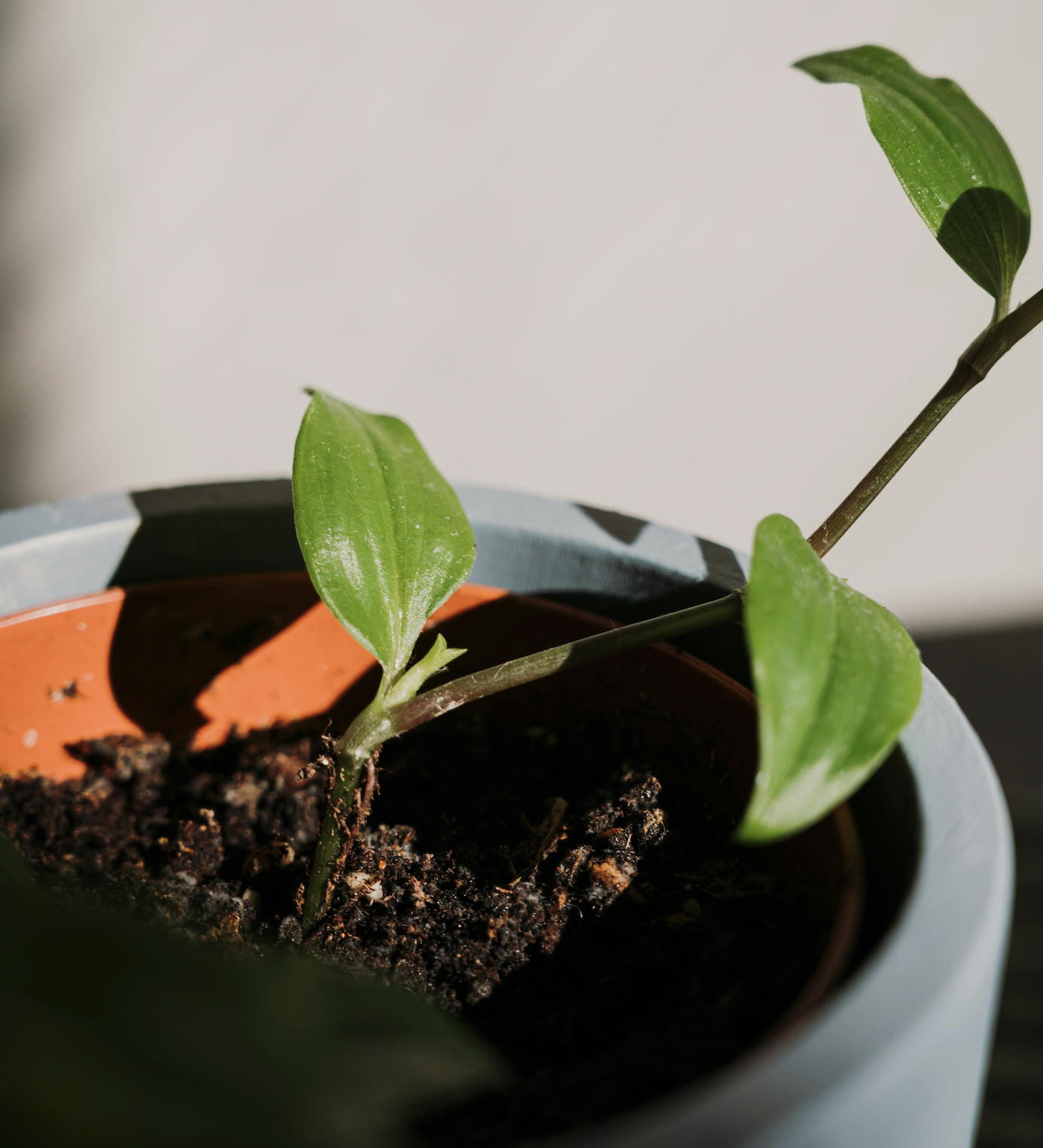
Grow & Tell: How to Propagate a Houseplant
Easy Plant Propagation Tips for Growing New Plants at Home
Learning how to propagate a houseplant is one of the most rewarding ways to grow your plant collection. With just a small cutting—or a division from a healthy plant—you can create new plants to enjoy or share. Whether you root cuttings in water or soil, propagation is an easy, budget-friendly way to expand your indoor garden.
Below is a simple plant propagation guide you can use for many common houseplants.
Choose the Right Plant for Propagation
- Start with a healthy, pest-free plant that has firm leaves and strong stems. Whenever you can, avoid propagating plants that are stressed, recently repotted, overwatered, or diseased—these will root more slowly and are less likely to succeed.
Pick Your Plant Propagation Method
Different plants respond best to different propagation techniques. Therefore, keep these common methods in mind:
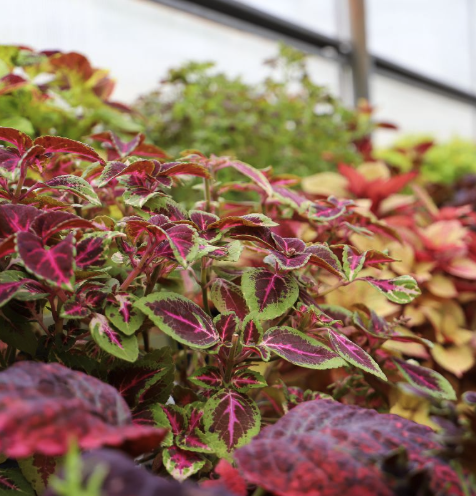
- Stem Cuttings Ideal for pothos, philodendron, monstera, tradescantia, coleus, and similar houseplants. Look for a stem section with at least one node—the small bump where leaves or aerial roots grow.
- Leaf Cuttings Used for succulents, snake plants, African violets, and some begonias. Take a single healthy leaf with part of the petiole (leaf stem), or a clean leaf segment for succulents.
- Division or Offsets (“Pups”) Works well for spider plants, snake plants, ZZ plants, peace lilies, pilea pups, and clumping succulents.
How to Take a Cutting
- Sterilize your cutting tool with rubbing alcohol or hot, soapy water and dry thoroughly.
- Cut just below a node for stem cuttings, or remove a leaf cleanly at the base for leaf cuttings.
- Remove any leaves that would sit below water or soil to prevent rot.
- For succulents and some cacti, let the cut end dry for several hours—or up to a day—so it can callus before planting.
Rooting Cuttings in Water Water propagation is beginner-friendly and fun because you can watch the roots develop.
- Place the cutting in a clean jar so the node is submerged, but leaves stay above water.
- Use room-temperature water and keep the jar in bright, indirect light.
- Change the water every few days to keep it fresh and oxygenated.
- Roots usually appear within 1–3 weeks. Wait until they are a few centimeters long before transferring to soil.
Rooting Cuttings in Soil Soil propagation helps plants develop roots already adapted to potting mix, reducing transplant shock.
- Fill a small pot with a light, well-draining potting mix (add perlite for extra airflow).
- Make a hole and insert the cutting so at least one node is below the soil surface.
- Firm the soil gently and water lightly until evenly moist—not soggy.
- Increase humidity by loosely covering the pot with a clear plastic bag, ensuring it does not touch the leaves.
- Place in warm, bright, indirect light and keep soil slightly damp.
Propagating by Division or Pups
- Remove the parent plant from its pot and gently loosen the soil.
- Identify natural clumps or baby plants with their own roots.
- Separate carefully, keeping as many roots intact as possible.
- Pot each division into its own container with fresh soil and water lightly.
Aftercare for Newly Propagated Plants
- Place new plants in bright, indirect light—avoid full sun until established.
- Water lightly and consistently, allowing the top layer of soil to dry slightly between waterings.
- Do not fertilize until you see new growth; young roots are sensitive to fertilizer.
- Some leaf yellowing or drop is normal—new growth is the best sign of success.
Watch this short video for a visual, step-by-step guide to propagating your favorite houseplants.