Capture a Little of the Beauty of Fall and Hold it in Your Hands
Colorful leaves, tiny seeds, pine needles and other treasures found on an autumn walk can become a simple sensory activity that brings nature indoors. A fall sensory bottle gives children a chance to gather, create, observe and explore—and it’s easy to make with materials you probably already have at home.
Even better, finding what goes inside is half the fun.
Want to see how it’s done? Watch our Grow & Tell: How to Make a Fall Sensory Bottle video and then make one of your own.
What Is a Sensory Bottle?
A sensory bottle is a sealed, clear container filled with materials that are interesting to watch as the bottle is turned, tipped or shaken.
Depending on what you put inside, objects might float, sink, swirl or slowly drift through the liquid. That movement creates an engaging visual experience for children while offering opportunities to explore color, texture, motion and even a little science.
For a fall sensory bottle, nature provides most of the decorations.
Why Make a Fall Sensory Bottle?
There are plenty of reasons to give this simple activity a try.
- Connect with nature. Start with a walk outdoors to search for colorful leaves, seeds, pine needles and other small natural treasures. Gathering the materials turns the project into an experience before the crafting even begins.
- Create a calming activity. Watching objects move and settle inside a sensory bottle can provide a quiet, focused activity for children.
- Explore science. Which objects float? Or sink? What happens when you shake the bottle? How quickly do different materials move through the water? A simple craft can inspire plenty of questions.
- Keep it simple. A recycled plastic bottle and a few basic supplies are all you need.
Gather Your Supplies
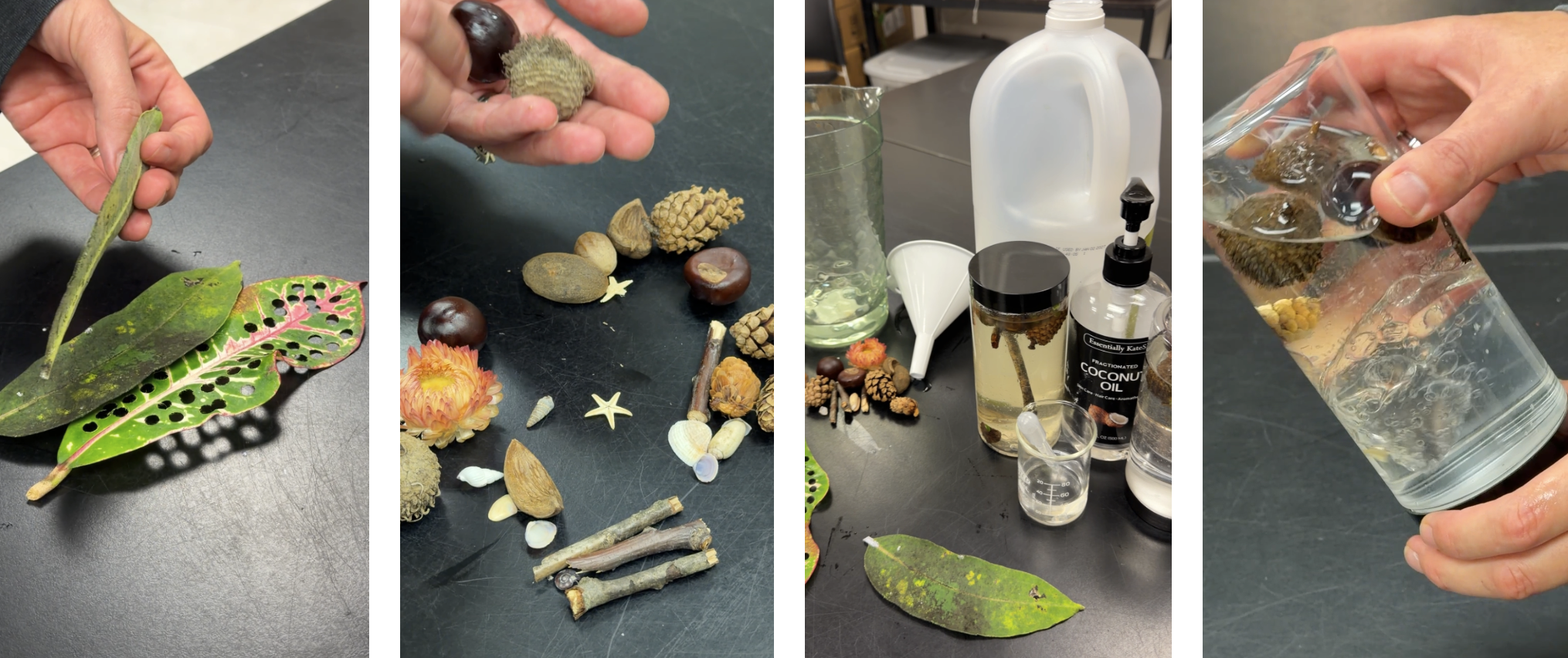
You’ll need:
- A clean, clear plastic bottle with a lid
- Water and oil
- Funnel
- Hole punch
- Small natural materials collected outdoors
- Clear tape or another method for securely sealing the lid
Then it’s time to head outside.
Step 1: Take a Fall Nature Walk
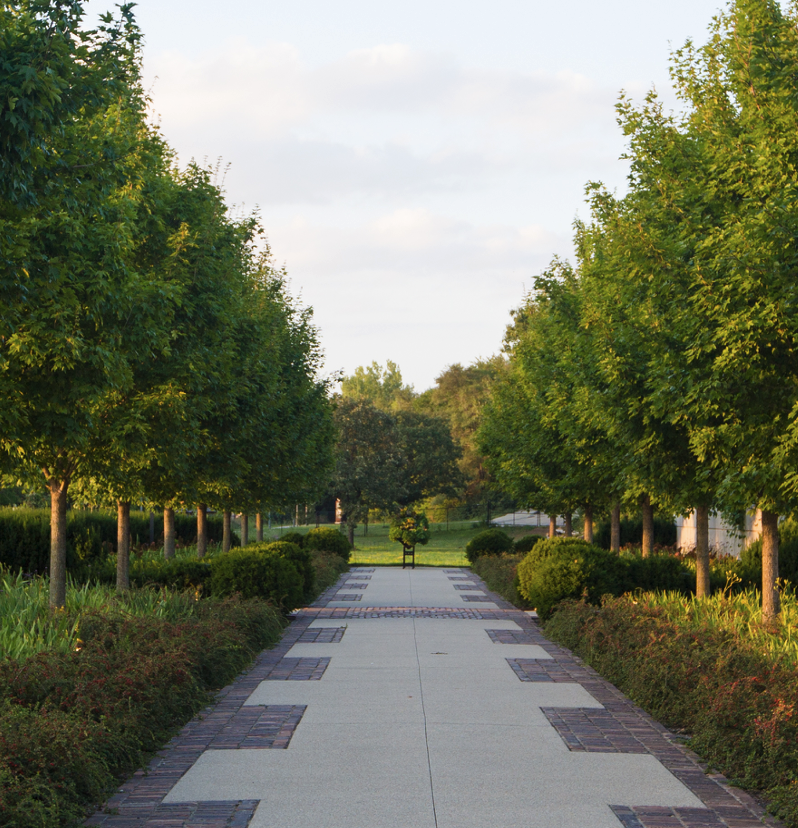
Explore your backyard, neighborhood or the Greater Des Moines Botanical Garden and see what you can discover.
Look for small items that will fit easily through the opening of your bottle, such as:
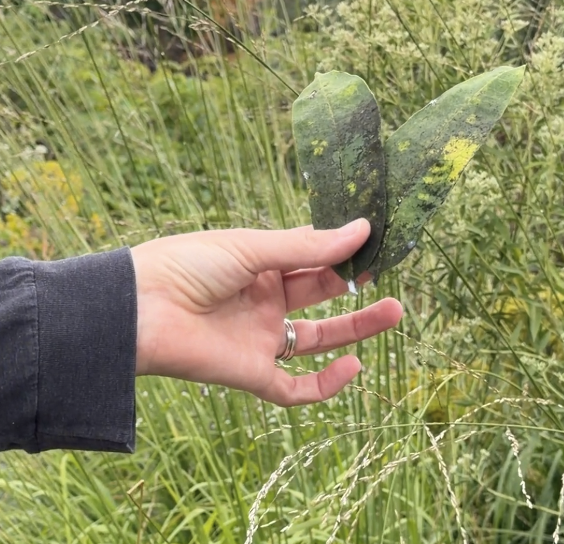
- Colorful leaves
- Pine needles
- Seeds
- Small pieces of pinecone
- Acorns or acorn caps
- Small twigs
Only collect materials where gathering is permitted. At the Botanical Garden, enjoy looking for inspiration while leaving plants and other natural materials in place.
Once you’re home, gently clean your collected materials and allow them to dry.
Step 2: Make Your Own Leaf “Glitter”
- Here’s an especially fun way to add fall color.
- Use a hole punch to cut tiny circles from colorful leaves. Drop the pieces into your bottle and they’ll become nature-made confetti when you shake it.
- Try several different leaf colors and see how they look together.
Step 3: Fill Your Bottle
- Add your natural materials and leaf confetti to the empty bottle. Using a funnel, slowly add water and oil (half and half), leaving a small amount of space at the top.
- Tighten the lid securely.
- For younger children, an adult should permanently secure the lid before play. Once sealed, turn the bottle upside down to check carefully for leaks.
Because this activity uses natural materials, your sensory bottle may change over time. Enjoy it as a seasonal creation and discard the contents if you notice mold or an unpleasant odor.
Step 4: Shake, Watch and Wonder
Now the experimenting begins.
- Turn the bottle. Shake it. Roll it gently. Watch what happens.
- Ask your child: What floats? What sinks? Which pieces move fastest? What colors can you find? What happens when everything finally settles?
There isn’t a right answer or a finished product to perfect. The fun is in collecting, creating and discovering what happens inside your own little bottle of fall.
Keep Exploring
Making a fall sensory bottle is one simple way to help children slow down and notice the changing season. Take another nature walk as fall progresses and look for what’s different. What new colors do you see? Has anything disappeared? Or fallen to the ground?
Finally, visit the Greater Des Moines Botanical Garden and see how many signs of the season your family can discover together.