Where the Vegetable Garden is a Feature
Can a vegetable garden be just as beautiful as it is productive? Absolutely.
If you’ve ever thought vegetable gardens belong behind the fence while flower beds took center stage, think again. This season at the Greater Des Moines Botanical Garden, we’re proving that edible plants can be every bit as colorful, dramatic, and inspiring as traditional ornamentals.
Our edible border garden transforms everyday vegetables, herbs, flowers, and fruits into a vibrant landscape that celebrates both beauty and harvest. Many of the featured plants are also available through our Dome Grown™ plant collection, giving visitors inspiration they can recreate at home.
A Fresh Take on the Vegetable Garden
Located along the Espalier Wall in the Koehn Garden, this 900-square-foot planting bed changes with the seasons. Spring bulbs give way to colorful annuals, and this summer, visitors are once again enjoying an edible border concept originally designed by Horticulture Manager Leslie Hunter in 2022.
Rather than planting vegetables in traditional rows, Leslie blends ornamental and edible plants into one cohesive landscape. The result is a garden that’s every bit as worthy of admiration as it is of harvest.
You’ll find the edible border beside the Espalier Wall between the Koehn Lawn and the Ruan Allée. Be sure to grab a Botanical Garden map when you visit.
Why Hide Your Vegetables?
For generations, vegetable gardens have been designed primarily for efficiency. Neat rows make planting and harvesting easier, but they often leave edible plants tucked away in a corner of the backyard.
Many vegetables deserve the spotlight.
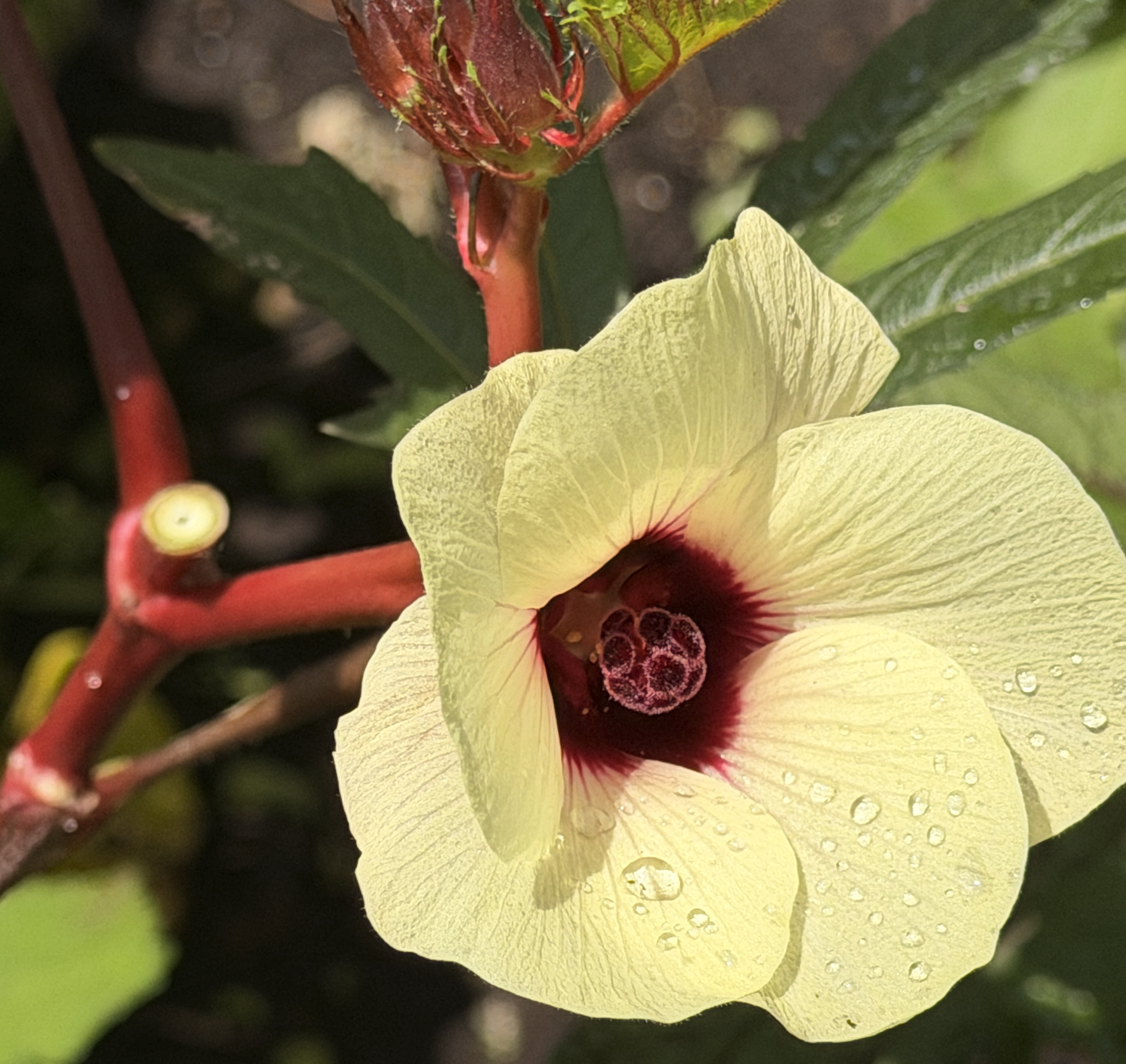
Swiss chard glows with vibrant stems. Okra produces elegant hibiscus-like flowers. Peppers add brilliant pops of red, orange, purple, and yellow. Even flowers like nasturtiums and roses are edible, proving that beauty and function can happily share the same space.
An edible landscape invites gardeners to think differently about what belongs in the front yard—or anywhere people gather to enjoy a garden.
What You’ll Discover
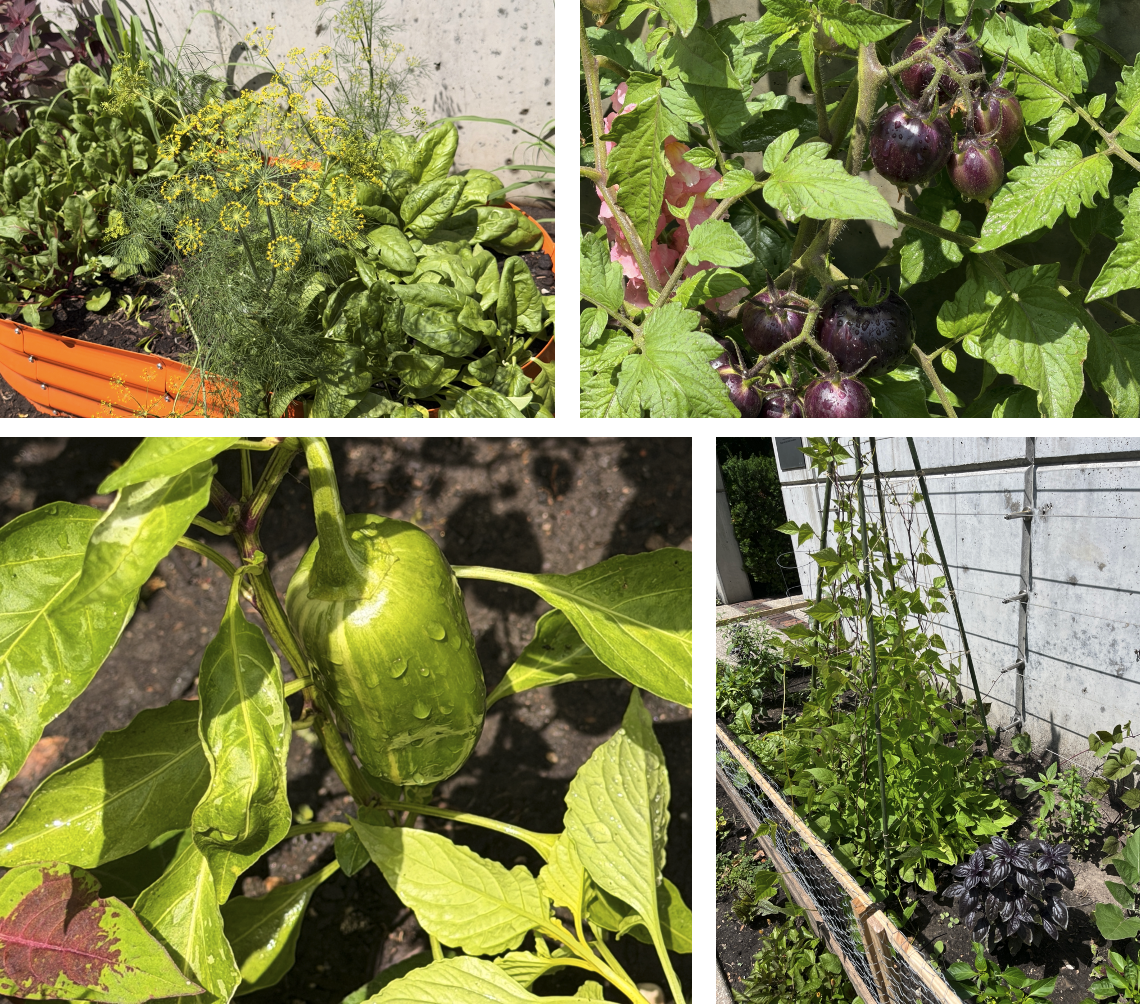
This year’s edible border features more than 60 varieties of vegetables, herbs, flowers, and fruits selected for both their visual appeal and culinary value.
Look for highlights including:
- Colorful bean varieties like ‘Rocdor’ with sunny yellow pods and ‘Amethyst’ with striking purple beans.
- Eye-catching peppers including ‘Candy Cane Chocolate Cherry’ and the whimsical ‘Mad Hatter.’
- Tomatoes trained vertically along the espalier wall, creating living architecture while maximizing growing space.
- Fragrant herbs such as purple basil, oregano, and dill paired with carrots, beets, and radishes.
- Edible flowers including nasturtiums, pot marigolds, and bachelor’s buttons that bring vibrant color while adding fresh flavor to salads.
Every plant contributes something unique—whether it’s texture, color, fragrance, structure, or something delicious to harvest.
A Garden That Feels Familiar
One of Leslie’s favorite things about edible gardens is how relatable they are.
Visitors often recognize green beans climbing a trellis, tomatoes ripening on the vine, or peppers growing on compact plants. Those familiar sights spark memories of family gardens, summer meals, farmers markets, and time spent outdoors.
The edible border isn’t just beautiful—it’s personal.
Sharing the Harvest (Well…Not With the Rabbits!)
You may notice the low fence surrounding the garden.
While it frames the display, it serves a much more practical purpose: protecting the harvest from hungry rabbits and other wildlife. As it turns out, the Garden isn’t the only one that appreciates fresh vegetables.
Always Changing
One of the joys of an edible garden is that it’s constantly evolving.
As summer progresses, plants mature, produce abundant harvests, and eventually make way for cool-season crops like lettuce and kale. By late fall, the beds are cleared and replanted with spring-flowering bulbs, beginning the cycle all over again.
Every visit offers something new to discover.
See It While It’s Growing
Vegetable gardens are living, changing works of art. Visit throughout the season to experience how the edible border transforms from week to week—and perhaps leave inspired to bring a little more beauty into your own vegetable garden.
Want to dig deeper? Join us for one of these upcoming classes:
Thursday, Sept 24 | 5:30-7 PM
$21.25 member | $25 nonmember
Winter Squash: Garden to Table
Thursday, Oct 15 | 5:30-7 PM
$29.75 member | $35 nonmember
Whether you’re an experienced gardener or just beginning to grow your own food, our edible border shows that the most beautiful gardens can also be among the most delicious.