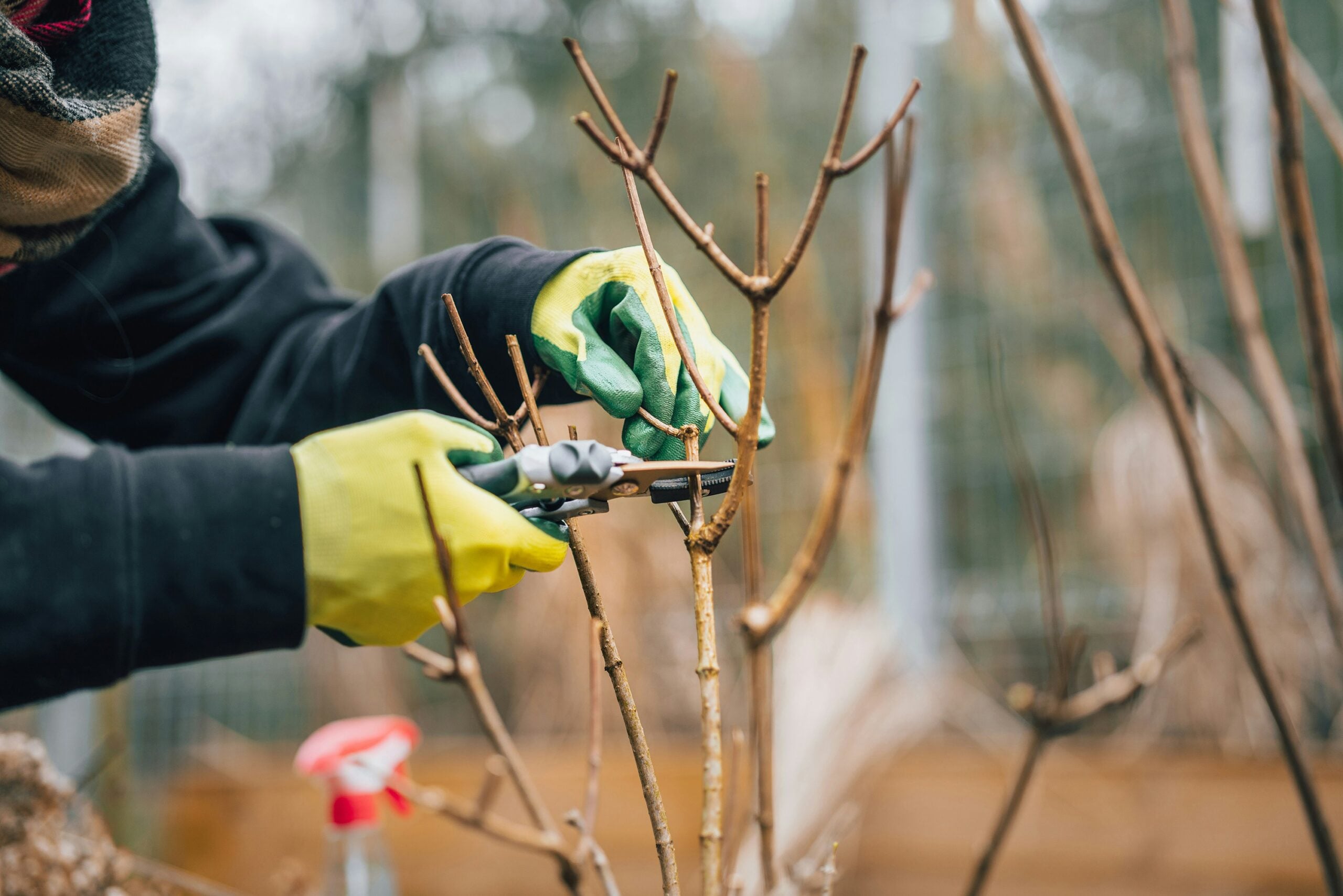
Grow & Tell: The Gardener’s Dilemma: Cut or Keep?
Stand in front of an overgrown shrub or a leggy houseplant, and you’ll feel it—the hesitation before the first cut. What if I remove too much? What if I ruin it?
Most people think of pruning as taking something away. In reality, effective pruning right is about deciding what to keep. The goal isn’t less growth—it’s stronger, healthier growth directed where it matters most.
Successful pruning begins with a simple question: What do I want this plant to become?
From there, consider:
- Which branches support that vision
- Which ones crowd or weaken it
- How much should be removed to restore balance
Without a clear intention, pruning can feel destructive. With one, it becomes an act of thoughtful design—creating space, light, and strength for the seasons ahead.
Pruning 101: Two Essential Types of Pruning
Whether you’re caring for a backyard tree, flowering shrub, or indoor plant, most pruning falls into two categories.
Maintenance Pruning
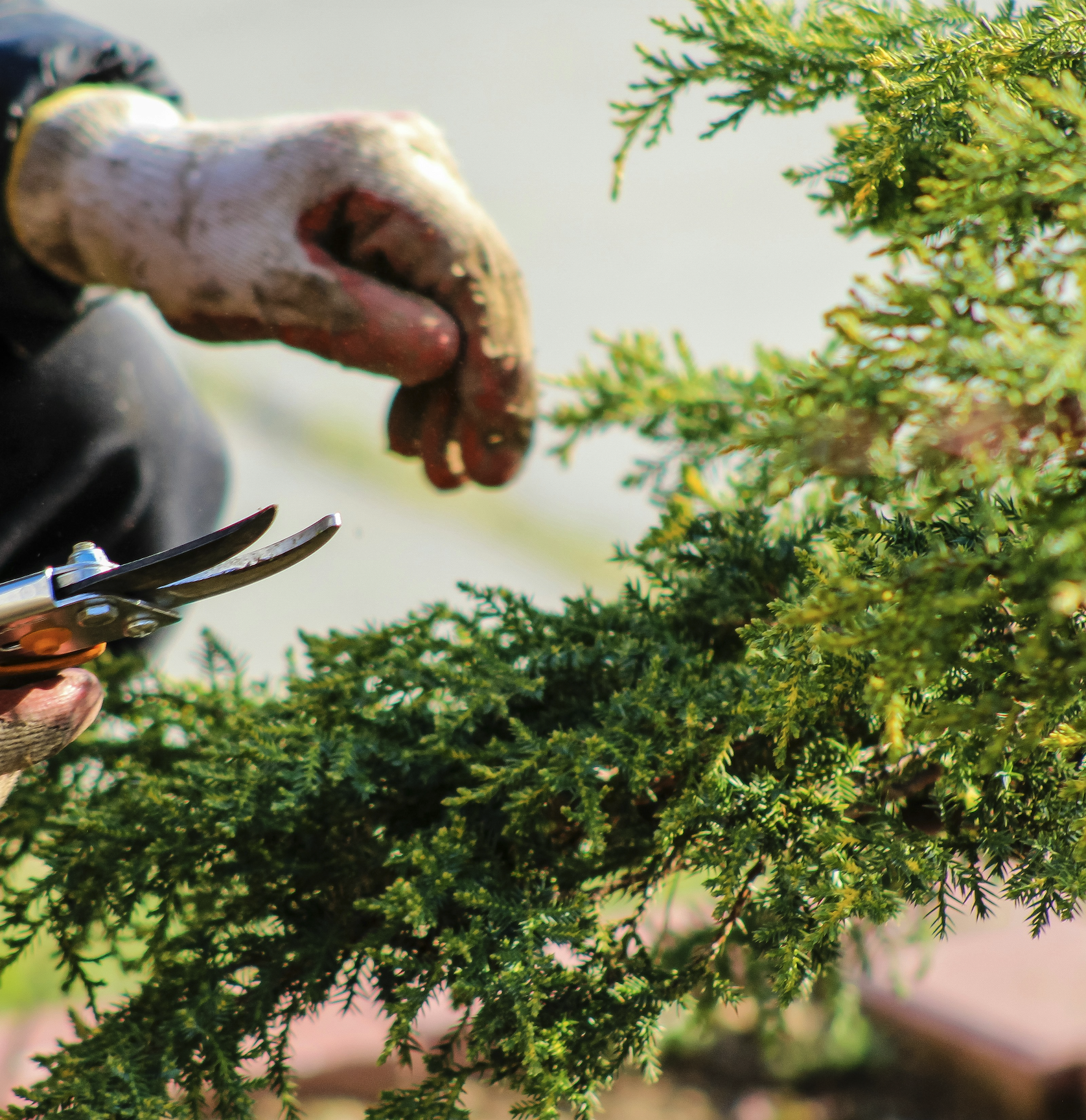
These are the small, routine cuts that keep plants tidy and healthy.
Examples include:
- Removing dead or damaged branches
- Trimming back overly long shoots
- Cutting off spend blooms
Maintenance pruning is gentle, ongoing care—small adjustments that prevent bigger problems later
Structural Pruning
This is where the major decisions happen.
Structural pruning involves removing larger branches to establish the plant’s overall shape and long-term health. These cuts can feel bold—and sometimes irreversible—but they create space for stronger growth and better structure.
Leave Room for New Growth
Pruning isn’t about perfection. It’s about participation. Each cut shapes how a plant will grow in the future—guiding it toward light, balance, and vitality. One thoughtful cut at a time.
Want to see it in action? Watch a short How-to video at this link.
Bonsai: The Art of Intentional Pruning
Few practices demonstrate intentional pruning better than bonsai. Bonsai artists work with trees that naturally want to grow tall and wild, patiently shaping them into compact forms rich with character. Every snip is a decision about the tree’s future.
The Wisdom of Small Trees
Despite their size, bonsai trees embody the presence of ancient forests. They teach powerful lessons about pruning:
- You can’t keep every branch. Without removal, growth becomes crowded and weak.
- Growth follows the light. Unchecked branches can overshadow inner structure.
- Scars become character. Where branches are removed, trees heal and grow stronger.
- Patience is essential. True shaping happens over years—even decades.
Experience Bonsai Up Close
Discover this living art form at the Iowa Bonsai Association Spring Show & Sale, held: Saturday, April 18 & Sunday, April 19, 2026 9 AM – 4 PM
Explore stunning miniature trees, speak with experienced growers, and vote for your favorite bonsai masterpiece.
Both days are included with regular admission to the Greater Des Moines Botanical Garden.
Bonus: April 18 features FREE admission during the Earth Day Community Event.
Buy admission: https://dmbotanicalgarden.com/ticket-gateway/
Pruning as a Practice
Ultimately, pruning is not about control—it’s about collaboration with nature. By removing what no longer serves the plant, you create space for stronger growth, better structure, and renewed beauty.
Every thoughtful cut is an investment in the future.