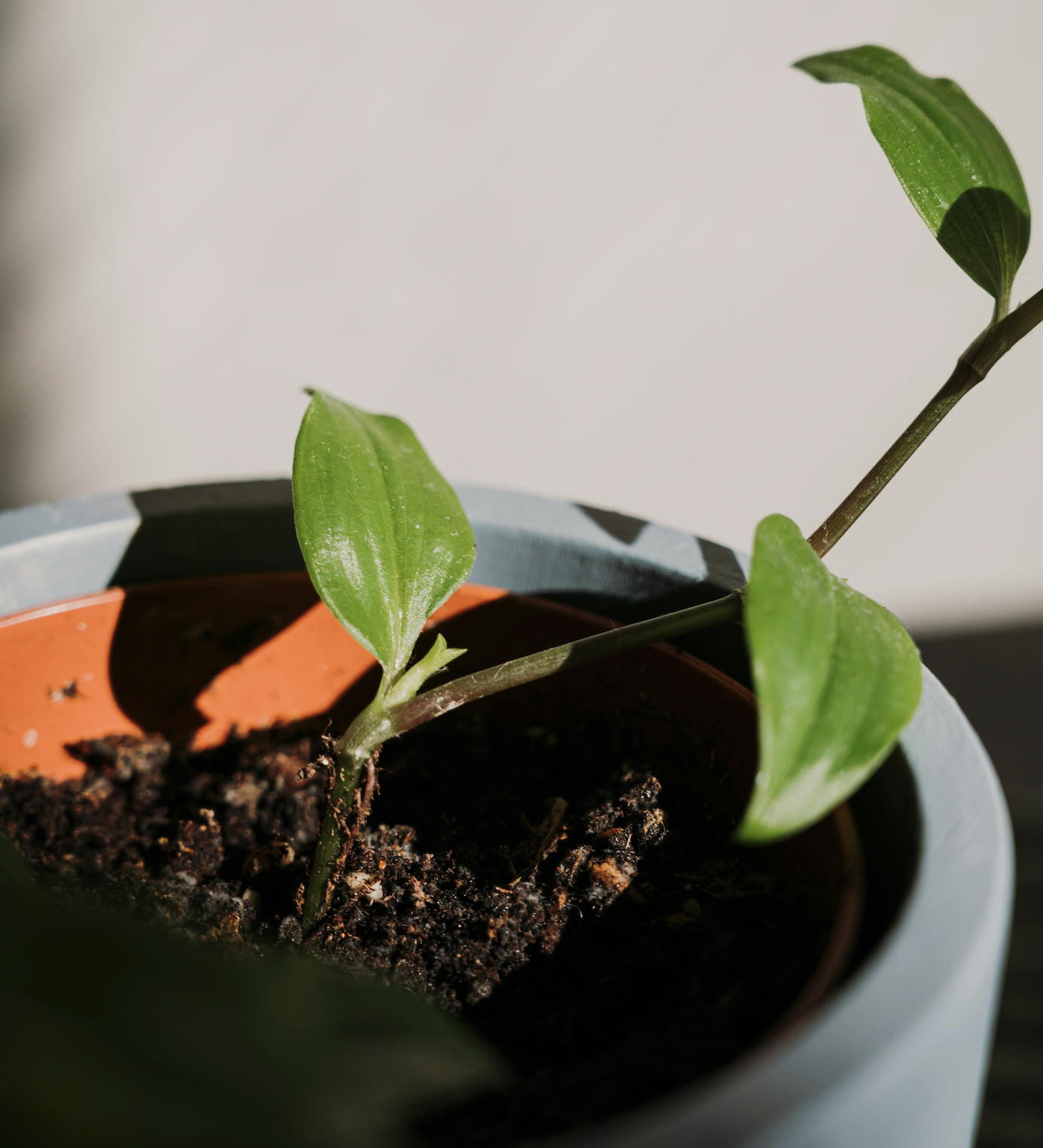
How to Propagate a Houseplant
February 20, 2026
How to Propagate a Houseplant

Grow & Tell: How to Propagate a Houseplant
Easy Plant Propagation Tips for Growing New Plants at Home

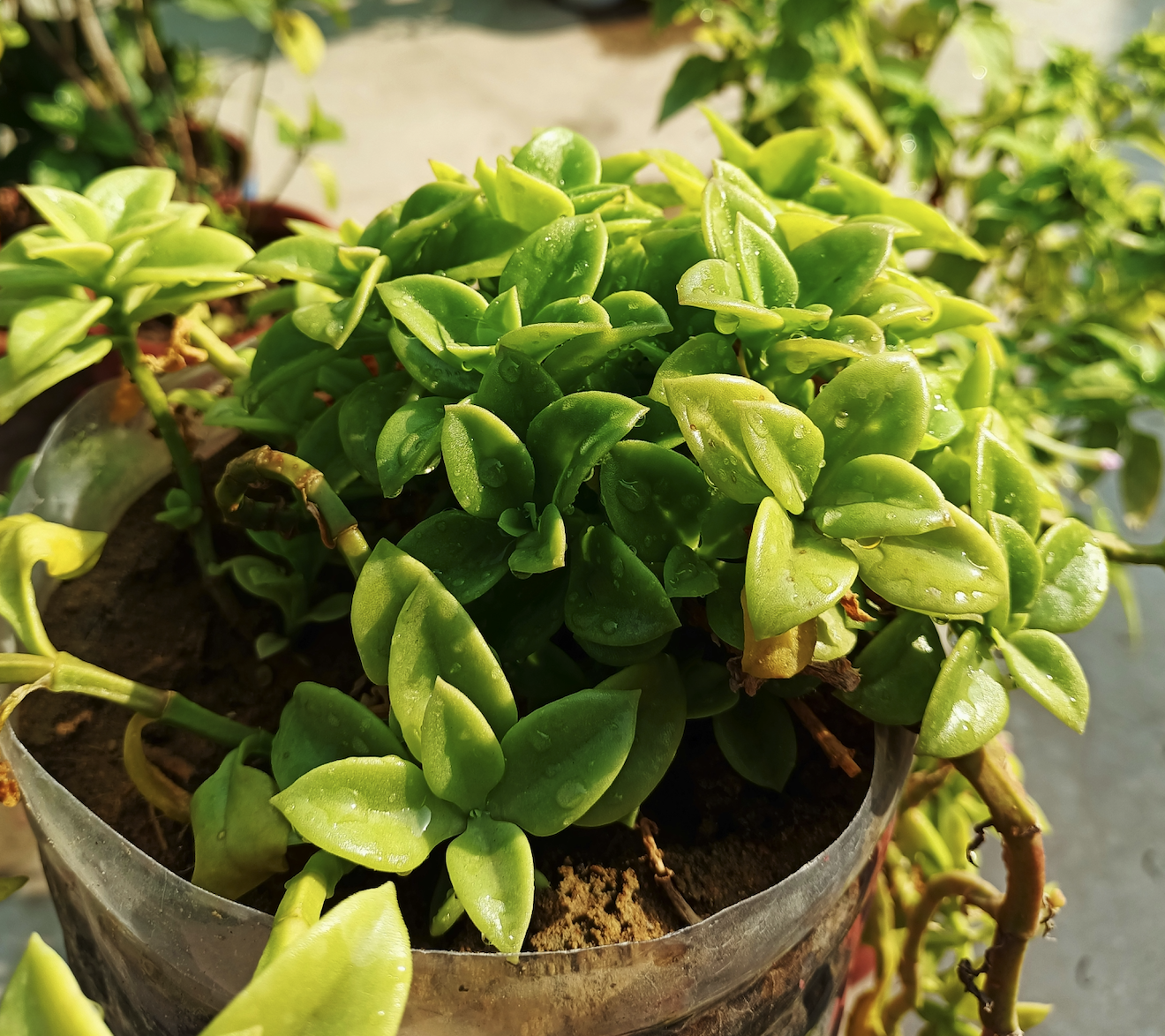
Learning how to propagate a houseplant is one of the most rewarding ways to grow your plant collection. With just a small cutting—or a division from a healthy plant—you can create new plants to enjoy or share. Whether you root cuttings in water or soil, propagation is an easy, budget-friendly way to expand your indoor garden.

Below is a simple plant propagation guide you can use for many common houseplants.

Choose the Right Plant for Propagation

  • Start with a healthy, pest-free plant that has firm leaves and strong stems. Whenever you can, avoid propagating plants that are stressed, recently repotted, overwatered, or diseased—these will root more slowly and are less likely to succeed.

Pick Your Plant Propagation Method
Different plants respond best to different propagation techniques. Therefore, keep these common methods in mind:

  • Stem Cuttings Ideal for pothos, philodendron, monstera, tradescantia, coleus, and similar houseplants. Look for a stem section with at least one node—the small bump where leaves or aerial roots grow.
  • Leaf Cuttings Used for succulents, snake plants, African violets, and some begonias. Take a single healthy leaf with part of the petiole (leaf stem), or a clean leaf segment for succulents.
  • Division or Offsets (“Pups”) Works well for spider plants, snake plants, ZZ plants, peace lilies, pilea pups, and clumping succulents.

How to Take a Cutting

  • Sterilize your cutting tool with rubbing alcohol or hot, soapy water and dry thoroughly.
  • Cut just below a node for stem cuttings, or remove a leaf cleanly at the base for leaf cuttings.
  • Remove any leaves that would sit below water or soil to prevent rot.
  • For succulents and some cacti, let the cut end dry for several hours—or up to a day—so it can callus before planting.

Rooting Cuttings in Water Water propagation is beginner-friendly and fun because you can watch the roots develop.

  • Place the cutting in a clean jar so the node is submerged, but leaves stay above water.
  • Use room-temperature water and keep the jar in bright, indirect light.
  • Change the water every few days to keep it fresh and oxygenated.
  • Roots usually appear within 1–3 weeks. Wait until they are a few centimeters long before transferring to soil.

Rooting Cuttings in Soil Soil propagation helps plants develop roots already adapted to potting mix, reducing transplant shock.

  • Fill a small pot with a light, well-draining potting mix (add perlite for extra airflow).
  • Make a hole and insert the cutting so at least one node is below the soil surface.
  • Firm the soil gently and water lightly until evenly moist—not soggy.
  • Increase humidity by loosely covering the pot with a clear plastic bag, ensuring it does not touch the leaves.
  • Place in warm, bright, indirect light and keep soil slightly damp.

Propagating by Division or Pups 

  • Remove the parent plant from its pot and gently loosen the soil.
  • Identify natural clumps or baby plants with their own roots.
  • Separate carefully, keeping as many roots intact as possible.
  • Pot each division into its own container with fresh soil and water lightly.

Aftercare for Newly Propagated Plants

  • Place new plants in bright, indirect light—avoid full sun until established.
  • Water lightly and consistently, allowing the top layer of soil to dry slightly between waterings.
  • Do not fertilize until you see new growth; young roots are sensitive to fertilizer.
  • Some leaf yellowing or drop is normal—new growth is the best sign of success.

Watch this short video for a visual, step-by-step guide to propagating your favorite houseplants.

Related Blog Posts

Rainbow of Coleus Colors in the Garden

How to Add this Vibrant Foliage Favorite to Your Life Did you know the Greater Des Moines Botanical Garden is home to one of the largest coleus collections in...

How to Do Maximalist Gardening

Grow & Tell: Designing Abundance in Every Corner Step into a maximalist garden and you feel it instantly—color layered upon color, textures weaving...

How to Create a Sensory Garden

Grow & Tell: Design a Garden that Engages All Five Senses A sensory garden is designed to awaken the senses—sight, smell, sound, touch, and taste—creating...

How to Plant Veggie Seeds in Recycled Containers

Grow & Tell: Easy Earth Day Gardening Project for Kids & Families Looking for a simple, meaningful Earth Day activity for kids? Planting vegetable...

How to Prune Plants like a Pro

Grow & Tell: The Gardener’s Dilemma: Cut or Keep? Stand in front of an overgrown shrub or a leggy houseplant, and you’ll feel it—the hesitation before the...

How to Water Indoor Plants Wisely

Grow & Tell: Smart Watering Tips for Healthy Houseplants One of the most important parts of indoor plant care is watering – and it’s also where many plant...

Know What's Going On!

SIGN UP HERE FOR

Newsletter Emails

"*" indicates required fields

This field is for validation purposes and should be left unchanged.

How do I get to the Botanical Garden?

Access to the Botanical Garden directly from University Avenue is closed. In order to access the Botanical Garden from University Avenue, please take Pennsylvania Avenue south to Des Moines Street, turn right on Des Moines Street to the “T” intersection at Robert D. Ray Drive. Finally, turn right on Robert D. Ray Drive and the Botanical Garden is on the right after you go under the I-235 bridge.

Is parking free?

Yes, parking at the Garden is free but there are limited spaces available. Sometimes during large events you will need to use overflow parking available along Robert D. Ray Drive. Thus, consider carpooling to larger events.

Do you offer free admission to members from other gardens?

We participate in the AHS Reciprocal Admission Program. Therefore, we offer complimentary daily admission during our general admission hours to members of participating gardens. Since we do, please bring a physical or digital membership card and we will honor our membership level that is the closest equivalent to yours. In addition, for members of close gardens within a 90-mile radius, we offer up to 2 complimentary daily general admissions.

Are strollers and wheelchairs available at the Garden?

There is a limited number of wheelchairs and strollers available on a first-come, first-served basis. Because they are free to borrow, you can find them located just inside the front entryway.

Is the Garden ADA accessible?

The Greater Des Moines Botanical Garden is proud to be an ADA-compliant facility. Because we are, you'll find features like wide paths and sidewalks, accessible doors, additional restrooms, and a universal changing table. Since there is also an elevator, we provide all guests access to the conservatory balcony as well.

What is the smoking policy at the Garden?

The Greater Des Moines Botanical Garden is a nicotine-free environment. Because of this, cigarettes, electronic cigarettes, cigars, chewable tobacco and similar products are not permitted on the Botanical Garden property. Since this includes all grounds, buildings, restrooms, and parking areas, we are completely smoke-free.

Are pets allowed?

You may bring your service animal, but please leave your pets at home. The Greater Des Moines Botanical Garden does not allow pets on Garden grounds. However, service animals are permitted in compliance with the Americans with Disabilities Act (ADA). These service animals are defined by the ADA as dogs that are individually trained to do work or perform tasks for people with disabilities. Finally, service dogs are working animals, not pets. Please keep in mind the work or task a dog has been trained to provide must directly relate to the person’s disability. Dogs whose sole function is to provide comfort or emotional support do not qualify as service animals under the ADA.

Does the Garden offer tours? Yes!

The Botanical Garden offers private group tours by reservation. Make sure to go to the tours page for more details. Because tours are in demand, please book early.

Do wedding ceremonies, vow exchanges, or commitment ceremonies require advance reservations and a signed contract? Yes, they do.

Unscheduled or unpaid ceremonies are prohibited. Because of this, parties not in compliance will be asked to leave immediately. In addition, wedding-related photography, gatherings, and/or ceremonies require advance approval and reservation.

What does the Garden look like?

With indoor and outdoor space, the Greater Des Moines Botanical Garden is a great place to visit in all kinds of weather. Our gardens offer close encounters with plants and remarkable horticultural experiences. Finally, learn more about specific gardens and explore what’s in bloom on our Gardens & Societies page.

When is your on-site restaurant, Flora Café, open?

Flora Café is open from 11 am to 2 pm Tuesday through Saturday and on Sunday from 10 am to 2 pm. Flora is not open on Mondays. Also consider visiting our dining page for up to date information. Here you can find out about special dinners, picnic boxes, brunches, and other offerings.

May I bring my own food/drink to the Garden?

Outside food is not permitted. Dining options and refreshments are available at Flora Café and in the Garden Shop. Also, rental clients may use our approved caterers for food and beverages.

What is the photography policy?

Guests are invited to take candid, casual photography as well as pictures of the plants and landscapes. However, for portrait and professional photography, please consult our Photography Reservation Policy and make a photography reservation. Finally, keep in mind when the Botanical Garden is open and available for your shoot.

Does the Garden have an etiquette policy?

Our etiquette policy is designed to enhance your experience and protect the plants. We aks that you please review a copy here.

Does the Botanical Garden have a diversity statement?

It is: The Greater Des Moines Botanical Garden stands as one team devoted to learning and practicing anti-racism, inclusion, diversity, equality and accessibility, such that the Garden can be a vital resource and advocate for our diverse community. Public gardens and community green spaces have an essential role in bringing our diverse community together. We believe the Garden is a platform for a hopeful and peaceful future. In summary, together we will dedicate ourselves to the active work of listening, learning and breaking down barriers and inequities.

Prohibited Items:

  • No weapons and firearms or fireworks of any kind
  • Do not bring outside food, picnics, coolers, grills, or use open flames
  • Outside beverages (refillable water bottles welcome)
  • Pets (service animals are welcome)
  • Smoking, tobacco products and devices, or electronic smoking devices
  • Music (Bluetooth speakers, playing instruments, etc.)
  • Bicycles and recreational scooters (including "wheelie" shoes, skates, or skateboards)
  • Outside alcohol
  • Guests without shoes or shirts or with clothing that may be taken as profane, vulgar, racist, sexist, or sexually suggestive
  • Blankets, collapsible lawn chairs, or stools are not allowed during daily general admission or for other events—they are encouraged for attendee use only during Music in the Garden
  • Balloons, open flames, sparklers
  • Large signage or banners
  • Plants, flowers, flower petals, props, glitter, confetti, or candles
  • Tripods or monopods are prohibited inside all buildings and conservatories
  • Sporting equipment (soccer balls, baseballs and gloves, footballs, hula hoops, frisbees, etc.)

If you need more information

Please connect with us through our Contact Us page. Also, you can reach us at:

Does the Botanical Garden accept plant donations?

Plant donations are considered on a case-by-case basis. If you are interested in donating a plant, please email a picture of it to giving@dmbotanicalgarden.com and a horticulturist will review the photo and respond. Finally, please consider donating to the Botanical Garden horticulture fund as a way to contribute to our growth.

Does the Botanical Garden donate to organizations?

We support various community organizations, fundraisers and other nonprofit organizations with donations of free passes or memberships. The requests are fulfilled based on how the requesting organization’s mission pairs with our mission. Therefore, if you would like to request a donation, please fill out the electronic form.

Can I review your financial documents?

Yes, we have posted our most recent 990 and audit.

Be the first to find out about events, classes & more