Grow & Tell: Designing Abundance in Every Corner
Step into a maximalist garden and you feel it instantly—color layered upon color, textures weaving together, and life thriving in every inch. Unlike minimalist landscapes that emphasize restraint and open space, maximalist gardening celebrates abundance. Plants spill, climb, mingle, and surprise at every turn.
At its core, maximalism isn’t chaos—it’s intentional richness. It’s about creating immersive environments where biodiversity, creativity, and personal expression flourish together.
What Is Maximalist Gardening?
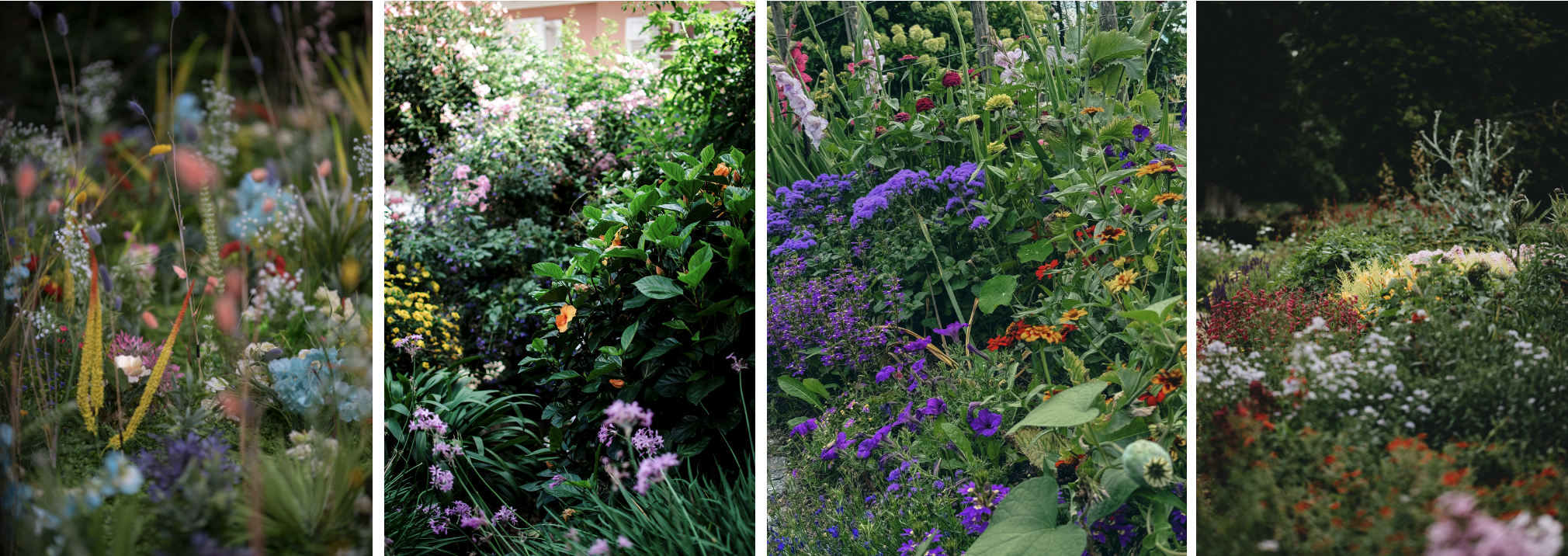
Maximalist gardening embraces density, diversity, and bold design choices. Instead of limiting plant varieties or following strict symmetry, this style leans into contrast and layering.
A single garden bed might include:
- Ornamental grasses swaying beside flowering perennials
- Edible herbs tucked between shrubs
- Vines climbing overhead to add vertical interest
This approach reflects how plants grow in nature—interconnected, layered, and resilient. The result is a garden that feels alive, dynamic, and constantly evolving.
Key Elements of Maximalist Garden Design
Layering
Combine groundcovers, mid-height plants, and tall structures to create depth and visual interest.
Bold Color Palettes
Mix unexpected color combinations—deep purples with bright yellows, fiery reds with soft pastels—for a vibrant, expressive look.
Plant Diversity
Use a wide variety of species, textures, and bloom times to keep your garden engaging throughout the seasons.
Organic Structure
Let plants grow into and around one another rather than separating them into rigid sections. This creates a more natural, flowing landscape.
Personal Touches:
Add pathways, seating, garden art, or found objects to reflect your personality and make the space uniquely yours.
Why the Botanical Garden Embraces Maximalism
At the Greater Des Moines Botanical Garden, maximalist gardening principles allow us to showcase plant diversity in a truly immersive way. Visitors don’t just observe the gardens—they step into them.
Dense, layered plantings can be experienced around the Koehn Lawn, and throughout the conservatory. Beyond beauty, this approach supports pollinators, improves soil health, and reduces the need for chemical inputs—making maximalist gardening both visually stunning and environmentally sustainable.
A Simple Maximalist Garden Example
Imagine a sunny garden bed:
Tall sunflowers rise in the background, surrounded by clusters of coneflowers and black-eyed Susans. At ground level, creeping thyme and sweet alyssum spread across the soil. A trellis supports climbing beans, while ornamental grasses sway nearby.
Every layer is full—yet everything works together in a cohesive, vibrant display.
How to Start Your Own Maximalist Garden
New to maximalist gardening? Start small and let your garden grow with you.
- Choose one garden bed or container to experiment with layering
- Mix plant types—flowers, herbs, grasses and climbers
- Observe how plants interact and adjust over time
- Embrace change—maximalist gardens evolve naturally
Most importantly, follow your curiosity. This style isn’t about perfection—it’s about celebrating growth in all its forms.
See Maximalism in Action
Looking for inspiration? A stunning example of maximalist gardening can be found in the work of Jenny McCoy, a longtime supporter of the Botanical Garden. Her front yard has been transformed into a vibrant tapestry where blooms—and pollinators—arrive in waves.
Jenny’s garden is featured in the May 2026 issue of Better Homes & Gardens, offering a beautiful example of how layered planting creates movement, color, and life throughout the seasons.
Ready to Grow Boldly?
Maximalist gardening invites you to think differently—to design with abundance, experiment with combinations, and create a space that feels alive in every direction.
Watch this How To video to learn simple steps for starting your own maximalist garden.